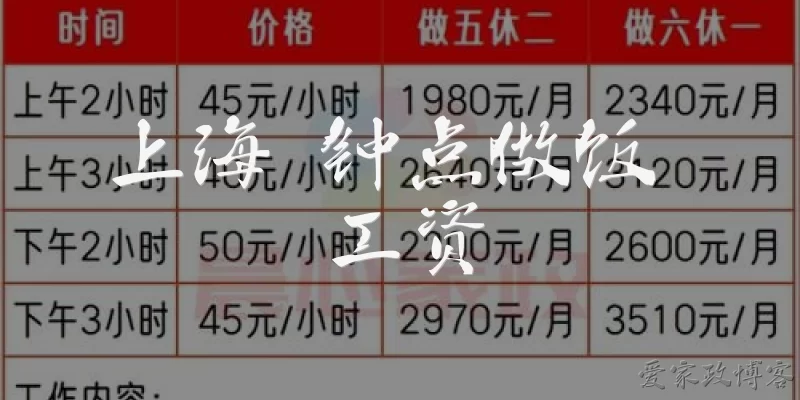
Paralysis caregiver Shanghai:What support resources are available for paralysis caregivers in Shanghai?
Q: What support resources are available for paralysis caregivers in Shanghai?
A: Shanghai offers several support resources for paralysis caregivers. Community health centers in districts like Xuhui and Pudong provide free caregiver training on mobility assistance, pressure sore prevention, and catheter care. The Shanghai Disabled Persons' Federation runs respite care programs at designated rehabilitation centers, allowing family caregivers temporary relief. Online, WeChat groups such as 'Shanghai SCI Care' connect caregivers for peer support and equipment exchanges. Some international hospitals, like Shanghai United Family, offer English-language caregiver workshops. However, public services often have waiting lists, and private home care can cost 200-400 RMB per hour. Caregivers should register with their neighborhood committee to access subsidized services. Non-Chinese speakers may face language barriers, so hiring a bilingual case manager is advisable for navigating the system efficiently.
Q: How can a foreign caregiver find work in Shanghai for a paralyzed patient?
A: Foreign caregivers seeking work in Shanghai need a proper visa. The most common route is an S1 or S2 visa for family members, but employment requires a work permit (Z visa) sponsored by an agency. Reputable agencies like Shanghai Foreign Home Care or Bilingual Care Shanghai recruit caregivers with certifications in nursing or rehabilitation. Salaries range from 15,000 to 25,000 RMB monthly for live-in positions. Requirements include a health check, police clearance, and often a Chinese language basics test. Many families prefer caregivers with experience in spinal cord injuries. Networking through expat WeChat groups like 'Shanghai Caregivers' can lead to private arrangements, but always verify legal work status. Without a work permit, you risk fines or deportation. Consider volunteering first to build local references and learn the healthcare system.
Q: What are the daily challenges for paralysis caregivers in Shanghai?
A: Daily challenges for paralysis caregivers in Shanghai include narrow apartment layouts that make wheelchair maneuvering difficult, especially in older lane houses (lilong) without elevators. Public spaces often lack ramps, so transporting a patient to rehabilitation requires planning accessible routes or hiring accessible taxis (e.g., Qiangsheng). Caregivers must manage bowel and bladder routines without dedicated nursing rooms, often using portable commodes. Air pollution on bad days can worsen respiratory issues for patients with high-level paralysis. Social isolation is common, as caregivers rarely get breaks. Additionally, coordinating with hospitals for follow-up appointments involves long queues and language hurdles. Financial strain is significant: private nursing aides cost 300-500 RMB per day, while insurance rarely covers home care. Many caregivers rely on community volunteers or family rotations to avoid burnout.
Q: Are there support groups or training programs for paralysis caregivers in Shanghai?
A: Yes, Shanghai has several support groups and training programs. The Shanghai Sunshine Rehabilitation Center offers free monthly workshops on transferring techniques, skin care, and assistive devices. The NGO 'Care for Carers' runs bilingual support group meetings twice a month in Jing'an District, focusing on emotional resilience and stress management. Online, WeChat groups like 'Shanghai Paralysis Caregivers Network' share tips and organize bulk purchases of medical supplies. Some international clinics, such as ParkwayHealth, provide paid caregiver certification courses recognized by hospitals. For respite, the 'Angel Home' program in Minhang offers weekend relief care. However, most public programs are in Mandarin, so expats may need a translator. Joining these groups reduces isolation and improves care skills, but waitlists can be long. Check with your local neighborhood committee for eligibility and registration.
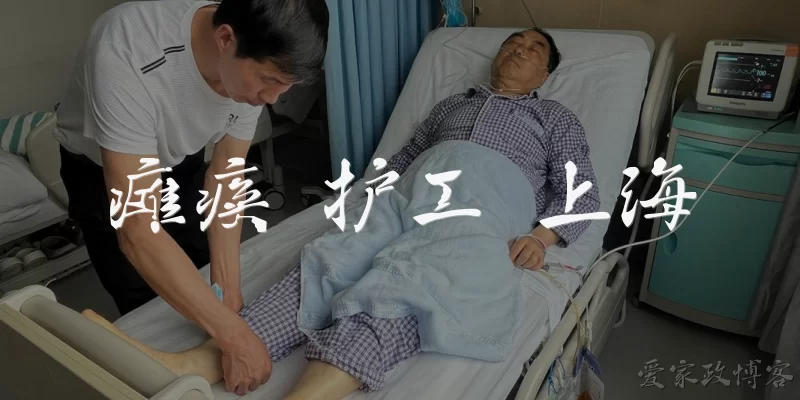
Words of experience
Common scenarios of "Paralysis caregiver Shanghai"
【Li Wen】 Hi Dr. Chen, thanks for meeting me. I'm Li Wen, a caregiver for my father who has been paralyzed for two years. We live in Shanghai, and I'm struggling to manage everything.
【Dr. Chen】 Hello Li Wen. I'm glad you reached out. Can you tell me a bit more about your father's condition and what specific challenges you're facing?
【Li Wen】 My father had a stroke and is paralyzed on his left side. He needs help with almost everything: moving, bathing, eating. I work full-time, so I've hired a part-time caregiver, but it's still overwhelming.
【Dr. Chen】 That sounds very demanding. What kind of support system do you have? Are there other family members or community services you're using?
【Li Wen】 My mother helps when she can, but she's elderly herself. We've tried some community services, but the waiting lists are long, and the quality varies. I feel like I'm doing it all alone.
【Dr. Chen】 I understand. In Shanghai, there are actually several resources specifically for caregivers of paralyzed patients. Have you heard of the Shanghai Caregiver Support Network?
【Li Wen】 No, I haven't. What is that?
【Dr. Chen】 It's a government-funded program that offers respite care, training workshops, and counseling for family caregivers. They also have a hotline for immediate advice. I can give you their contact information.
【Li Wen】 That would be great. But I'm also worried about the cost. We're not wealthy, and my father's medical expenses are high.
【Dr. Chen】 The network provides some services for free or at a low cost based on income. Additionally, you might qualify for subsidies from the Shanghai Disabled Persons' Federation. I can help you with the application.
【Li Wen】 Thank you. I also struggle with the physical aspects—lifting him, transferring him from bed to wheelchair. I'm afraid I'll hurt my back.
【Dr. Chen】 That's a common concern. Proper training in safe lifting techniques is crucial. The network offers workshops on that. Also, have you considered a mechanical lift? It can reduce strain.
【Li Wen】 A lift is expensive. But maybe we can look into it. What about emotional support? I often feel guilty and stressed.
【Dr. Chen】 Caregiver burnout is real. The network has support groups where you can share experiences. Also, don't hesitate to talk to a counselor. Your mental health is important too.
【Li Wen】 I'll try to join a group. But finding time is hard. I barely have time for myself.
【Dr. Chen】 I know it's tough. Try to schedule small breaks. Even 15 minutes a day for yourself can help. Respite care can give you longer breaks. Let's work on a plan together.
【Li Wen】 Okay. What should I do first?
【Dr. Chen】 First, contact the Shanghai Caregiver Support Network. I'll write down the number. Second, apply for subsidies. Third, attend a training workshop. We can also set up a follow-up appointment to see how things are going.
【Li Wen】 That sounds manageable. Thank you so much, Dr. Chen. I feel a bit more hopeful already.
【Dr. Chen】 You're welcome, Li Wen. Remember, you're not alone. We'll get through this step by step. Please reach out if you need anything.