Qingdao Maternity Matron Training:What does Qingdao Maternity Matron Training involve and who typically enrolls in these programs?
Q: What does Qingdao Maternity Matron Training involve and who typically enrolls in these programs?
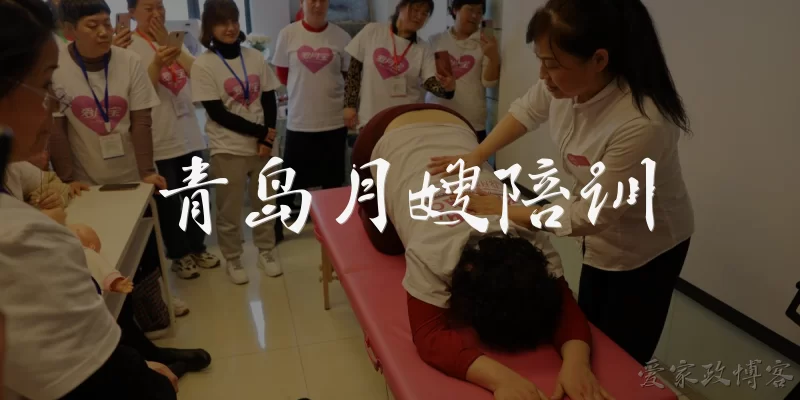
A: Qingdao Maternity Matron Training refers to professional courses designed to prepare women to work as yuesao, or confinement nannies, who care for newborns and postpartum mothers during the traditional first month after childbirth. The training usually covers newborn care such as feeding, bathing, and umbilical cord care, plus postpartum nutrition, breast care, and basic psychological support for mothers. Programs commonly blend classroom instruction with hands-on practice and may include CPR and first-aid modules. Trainees are often middle-aged women seeking stable employment, rural-to-urban migrants, or former domestic workers. Many Qingdao training centers partner with hospitals or maternity care agencies to offer internships, and some courses end with a skills assessment or certificate that helps graduates find placements with local families or maternity service companies.
Q: How long does Qingdao Maternity Matron Training last and what certification can graduates obtain?
A: Most Qingdao Maternity Matron Training programs run from two to four weeks for intensive courses, while extended versions with internships can last one to three months. The curriculum typically combines theory, simulated practice on doll models, and supervised observation in maternity wards or post-partum care centers. On completion, trainees often receive a training certificate from the school, and some pursue nationally recognized vocational qualification certificates such as the maternity matron or housekeeping worker skill-level certificate. Because certification requirements in China have evolved, reputable Qingdao institutions clarify which credentials are officially recognized and which are school-issued. Graduates usually build a portfolio documenting skills like infant massage or lactation support, which helps them negotiate better pay and placements through local maternity service agencies.
Q: What are the typical costs and admission requirements for Qingdao Maternity Matron Training courses?
A: Costs for Qingdao Maternity Matron Training vary widely by provider, ranging from a few hundred to several thousand yuan depending on course length, whether internships or accommodation are included, and the certificates offered. Some government-subsidized vocational programs are free or low-cost for eligible rural women or laid-off workers, while private training centers charge more. Admission generally requires a minimum age of around 18, basic literacy, and a health certificate confirming the trainee is free of infectious diseases, since the work involves close contact with newborns. Some schools screen candidates for patience and physical stamina. Prospective trainees are advised to compare curricula, ask about instructor qualifications, confirm whether job placement is guaranteed, and check reviews before paying, since quality across Qingdao training providers can differ significantly.
Q: How can graduates of Qingdao Maternity Matron Training find jobs and what career prospects do they have?
A: Graduates of Qingdao Maternity Matron Training typically find work through training-school job placement services, maternity care agencies, online platforms, or referrals from previous clients. Demand in Qingdao and other Chinese cities remains steady because many families prefer experienced confinement nannies for the first postpartum month. Entry-level matrons may start with lower pay while building experience, and those with strong reviews can command higher monthly rates, especially for overnight or live-in arrangements. Career paths include senior maternity matron, team leader, trainer at a vocational school, or starting a small maternity-care service. Continuing education in infant massage, lactation counseling, or early-childhood care can improve prospects. Since the work is physically demanding and often involves irregular hours, graduates should also consider long-term plans such as transitioning into childcare management or family-service coordination.
Words of experience
Common scenarios of "Qingdao Maternity Matron Training"
【Trainer Li】 Good morning, everyone! Welcome to the Qingdao Maternity Matron Training Program. I'm Li, your head trainer. Today we'll cover newborn care fundamentals.
【Trainee Wang】 Good morning, Trainer Li. I'm Wang, a former nurse. I'm excited to learn the specific practices for maternity care here in Qingdao.
【Trainer Li】 Welcome, Wang. Your nursing background will be helpful. Let's start with the core principles of postpartum care for mothers.
【Trainee Zhang】 I'm Zhang, a mother of two. I want to become a maternity matron to help other new mothers. What's the first topic?
【Trainer Li】 Great to have you, Zhang. First, we'll discuss the importance of monitoring the mother's vital signs and recognizing signs of infection.
【Trainee Wang】 How often should we check the mother's temperature and blood pressure in the first week?
【Trainer Li】 Typically, every 4 hours for the first 24 hours, then twice daily if stable. But always follow the hospital's protocol.
【Trainee Zhang】 What about breastfeeding support? Many new mothers struggle with latching.
【Trainer Li】 Excellent question. We'll cover proper latch techniques and positions. Hands-on practice will be later today.
【Trainee Wang】 I've heard about the 'Qingdao method' for newborn bathing. Can you explain that?
【Trainer Li】 Yes, the Qingdao method emphasizes temperature control and gentle cleansing. We'll demonstrate it in the simulation room.
【Trainee Zhang】 Are there any local traditions or customs we should be aware of when caring for families here?
【Trainer Li】 Definitely. Many families follow 'zuoyuezi' (sitting the month). We'll discuss how to respect traditions while ensuring evidence-based care.
【Trainee Wang】 How do we handle conflicts between traditional practices and medical advice?
【Trainer Li】 Communication is key. We'll role-play scenarios to practice explaining the benefits of certain practices gently.
【Trainee Zhang】 What about emergency situations, like a newborn choking?
【Trainer Li】 We have a dedicated session on infant CPR and choking response. You'll all get certified.
【Trainee Wang】 I'm glad to hear that. Safety is my top priority.
【Trainer Li】 Absolutely. Now, let's move to the demonstration area for a practical lesson on newborn diapering and cord care.
【Trainee Zhang】 Looking forward to it. This training is very comprehensive.
【Trainer Li】 Thank you, Zhang. Remember, our goal is to provide compassionate, skilled care to families in Qingdao. Let's get started!