
Nanny and Domestic Service Training:What is nanny and domestic service training, and why is it important?
Q: What is nanny and domestic service training, and why is it important?
A: Nanny and domestic service training equips individuals with skills for childcare, housekeeping, and household management. It covers child development, first aid, nutrition, and safety, along with cleaning, cooking, and time management. According to the International Labour Organization (ILO) report 'Domestic Workers Across the World' (2013), formal training improves service quality, protects workers' rights, and enhances employability. The ILO Domestic Workers Convention, 2011 (No. 189) emphasizes vocational training as key to professionalizing domestic work. Such training also reduces risks of abuse and exploitation by establishing clear standards and competencies, benefiting both workers and employers.
Q: What are the core components of a nanny and domestic service training curriculum?
A: A comprehensive curriculum includes child development theories, age-appropriate activities, pediatric first aid and CPR, nutrition and meal preparation, hygiene and safety, and positive discipline techniques. Domestic service modules cover cleaning methods, laundry, ironing, cooking, household budgeting, and time management. The ILO's 'Making Decent Work a Reality for Domestic Workers' (2021) highlights that training should also address workers' rights, communication skills, and conflict resolution. Additionally, practical placements and assessments ensure competency. Many programs follow national occupational standards, such as the UK's Level 2/3 Diplomas in Childcare and Housekeeping, which are recognized by employers worldwide.
Q: How does formal training benefit nannies and domestic workers in terms of employment and rights?
A: Formal training significantly improves employment prospects and working conditions. The ILO report 'Domestic Workers Across the World' (2013) notes that trained domestic workers earn higher wages, have better job security, and are more likely to receive written contracts and social protections. Training also empowers workers to understand their rights under national laws and international standards like ILO Convention 189. For example, in the Philippines, the Technical Education and Skills Development Authority (TESDA) offers a Household Services NC II course, which has led to increased overseas deployment and higher salaries. Moreover, trained workers are less vulnerable to exploitation and can negotiate fair terms with employers.
Q: What are the key regulations or international standards governing nanny and domestic service training?
A: Key standards include the ILO Domestic Workers Convention, 2011 (No. 189), which requires member states to promote vocational training and skills development for domestic workers. The ILO's 'General Survey on Domestic Workers' (2021) urges governments to establish competency-based training and certification systems. Additionally, the International Organization for Standardization (ISO) has guidelines for child care services, though not specifically for training. National regulations vary: Singapore's Ministry of Manpower mandates employer-sponsored training for foreign domestic workers, while the UK's Ofqual regulates childcare qualifications. These frameworks ensure training meets quality benchmarks, protects workers, and enhances service delivery.
Q: What are the challenges in implementing effective nanny and domestic service training programs?
A: Challenges include lack of funding, informal employment structures, and limited access to training in rural areas. The ILO report 'Making Decent Work a Reality for Domestic Workers' (2021) identifies that many domestic workers are excluded from labor laws, making employer investment in training unlikely. Cultural perceptions of domestic work as low-skilled also deter participation. Additionally, language barriers and time constraints affect migrant workers. To overcome these, the ILO recommends public-private partnerships, subsidized training, and recognition of prior learning. For example, in India, the National Skill Development Corporation collaborates with NGOs to provide affordable training, but scale remains limited. Addressing these challenges is crucial for professionalizing the sector.
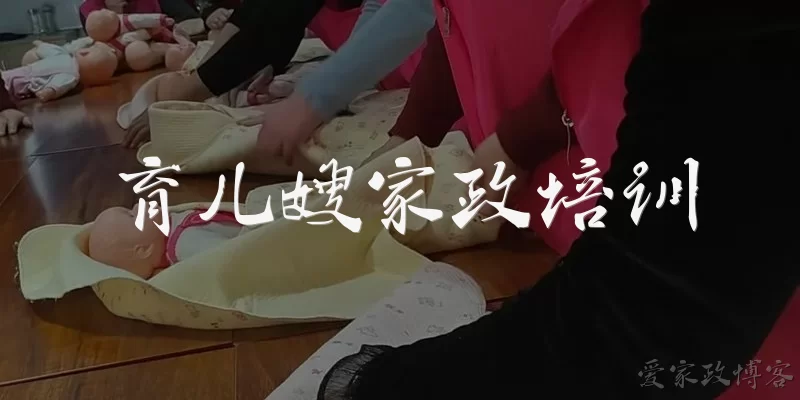
Dialogue about
Common scenarios of "Nanny and Domestic Service Training"
【Trainer】 Welcome to the domestic service training program. Today we'll cover core skills for professional nannies. Let's start with safety and hygiene.
【Trainee】 I'm excited to learn. I've cared for my younger siblings, but I want formal training to work as a professional nanny.
【Trainer】 That's a great foundation. First, handwashing and sanitizing surfaces are non-negotiable. Can you describe the proper handwashing steps?
【Trainee】 Wet hands, apply soap, scrub for at least 20 seconds including between fingers and under nails, rinse, then dry with a clean towel.
【Trainer】 Excellent. Next, childproofing. What hazards should you check in a home with a toddler?
【Trainee】 Cover electrical outlets, lock cabinets with chemicals, secure furniture to walls, and keep small objects off the floor.
【Trainer】 Good. Now let's talk about feeding. How do you prepare a bottle safely?
【Trainee】 Wash hands, use clean bottles, mix formula according to instructions, and test temperature on my wrist before feeding.
【Trainer】 Correct. What about introducing solid foods?
【Trainee】 Start with single-ingredient purees, one at a time, watching for allergic reactions. Avoid honey before age one.
【Trainer】 Perfect. Let's move to sleep safety. What are the ABCs of safe sleep?
【Trainee】 Alone, on the Back, in a Crib. No blankets, pillows, or toys in the crib.
【Trainer】 Exactly. Now, how do you handle a crying baby?
【Trainee】 Check basic needs first: hunger, diaper, discomfort. Then try soothing techniques like swaddling, gentle rocking, or white noise.
【Trainer】 Good. Let's discuss discipline for older children. What's your approach?
【Trainee】 Positive reinforcement, clear and consistent rules, and time-ins rather than time-outs to help them calm down and reflect.
【Trainer】 Nice. Finally, how do you communicate with parents about daily activities?
【Trainee】 I keep a daily log of meals, naps, activities, and any incidents. I also have a brief face-to-face update at pickup.
【Trainer】 That's comprehensive. You're well-prepared for your first placement. Remember, always prioritize the child's safety and emotional well-being.
【Trainee】 Thank you. I feel much more confident now. I'll review these points before my interview.