Housekeeping Indoor Cleaning Training:What does housekeeping indoor cleaning training typically cover?
Q: What does housekeeping indoor cleaning training typically cover?
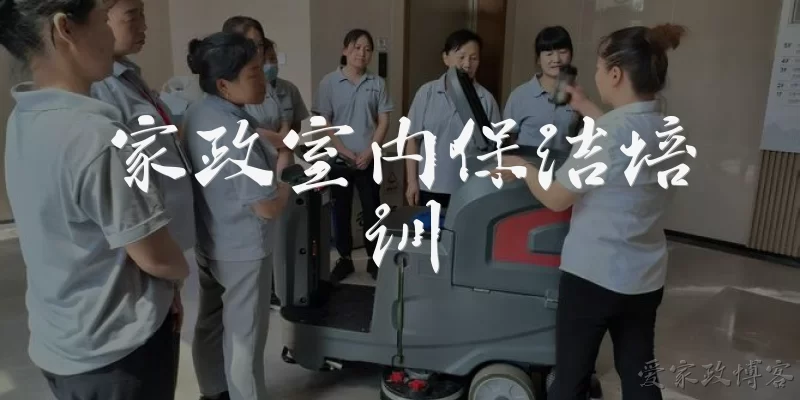
A: Housekeeping indoor cleaning training usually covers a structured set of core competencies. First, trainees learn about cleaning chemistry and safety, including how to dilute chemicals correctly, read safety data sheets, and use personal protective equipment. Second, they study surface-specific methods for dusting, damp wiping, mopping, vacuuming, and sanitizing different materials such as wood, glass, stainless steel, and tile. Third, training addresses room sequence and workflow, teaching staff to clean top-to-bottom and dry-to-wet so that dirt does not redeposit on finished areas. Fourth, participants practice restroom and kitchen disinfection, waste handling, and color-coded cloth systems to prevent cross-contamination. Fifth, they learn equipment care, such as filter maintenance, mop laundering, and safe storage of tools and chemicals. Finally, good programs include customer service, privacy awareness, and reporting of maintenance issues. Many courses combine classroom instruction with hands-on practice and a competency assessment, so trainees demonstrate correct technique rather than just memorizing steps. This blend ensures indoor cleaning is efficient, hygienic, and consistent across staff.
Q: How long does indoor cleaning training take and how is competency assessed?
A: Training duration varies by role and standard. A basic induction for new housekeeping staff often takes one to three days, covering safety, chemical handling, and fundamental cleaning methods. A fuller certificate program may run one to two weeks, while supervisory or specialist modules, such as infection control cleaning, can add several more days. Many employers blend short classroom sessions with supervised on-the-job practice over the first few weeks. Competency is usually assessed through a mix of written tests on safety and procedures, practical demonstrations where trainees clean a set area to a checklist, and observation during real shifts. Assessors look for correct chemical dilution, proper personal protective equipment use, sequence of work, cross-contamination controls, and safe equipment handling. Some programs require a minimum score on both knowledge and practical components, and refresher assessments may be scheduled annually or when new chemicals or equipment are introduced. The goal is to confirm that workers can perform indoor cleaning safely and consistently, not just recall theory.
Q: What are the main benefits of formal housekeeping indoor cleaning training for employers and staff?
A: Formal indoor cleaning training delivers measurable benefits on both sides. For employers, trained staff work more efficiently because they follow standardized sequences and use the right product for each surface, which reduces wasted time and chemical overuse. Safety training lowers the risk of accidents, chemical exposure, and slips, cutting workers' compensation claims. Consistent technique also improves hygiene outcomes, which matters in hotels, hospitals, offices, and schools where reputation depends on cleanliness. For staff, training builds confidence and competence, supports career progression into supervisory roles, and demonstrates that the employer values their development. It also reduces frustration from unclear expectations and improves job satisfaction and retention. In customer-facing settings, trained housekeepers communicate better, respect privacy, and report maintenance issues promptly, which improves guest or tenant experience. Finally, documented training supports compliance with health and safety regulations and can be shown during audits or client inspections. Overall, the investment in structured training pays back through quality, safety, and staff stability.
Words of experience
Common scenarios of "Housekeeping Indoor Cleaning Training"
【Trainer】 Good morning, everyone. Today we're starting our housekeeping indoor cleaning training. Let's begin by understanding why proper cleaning techniques matter for both hygiene and efficiency.
【Trainee】 Good morning. I'm new to this, so could you explain what the main goals of indoor cleaning are?
【Trainer】 Certainly. The main goals are removing dirt and germs, maintaining a safe environment, and preserving surfaces so they last longer. We also want to work efficiently so we don't waste time or supplies.
【Trainee】 That makes sense. What should we do first when we enter a room to clean?
【Trainer】 First, assess the room. Check for hazards, note what needs cleaning, and gather all your supplies before you start. This avoids interruptions and saves steps.
【Trainee】 What's the correct order for cleaning a room? Should I start with the floor?
【Trainer】 No, always clean from top to bottom and from back to front. Dust and dirt fall downward, so start with high surfaces, then work down to the floor last.
【Trainee】 Got it. How do we handle dusting properly? I've seen people just wipe randomly.
【Trainer】 Use a microfiber cloth and work in systematic sections. Fold the cloth so you have multiple clean surfaces, and don't shake dusty cloths indoors. Replace or launder them regularly.
【Trainee】 What about bathrooms? They seem riskier because of germs.
【Trainer】 Bathrooms require special care. Use color-coded cloths to avoid cross-contamination, disinfect high-touch areas like handles and faucets, and always clean the toilet last.
【Trainee】 Why clean the toilet last?
【Trainer】 Because it's the most contaminated area. Cleaning it last prevents germs from spreading to other surfaces through your cloths or gloves. And always use separate tools for the toilet.
【Trainee】 How do I know which cleaning chemicals to use on different surfaces?
【Trainer】 Always read the label. Use pH-appropriate cleaners: neutral for most surfaces, mild acidic for limescale, and disinfectants where germs are a concern. Never mix chemicals like bleach and ammonia.
【Trainee】 That's an important safety point. What about personal protective equipment?
【Trainer】 Always wear gloves, and use eye protection when handling strong chemicals. Wash your hands after removing gloves, and keep your equipment clean and stored properly.
【Trainee】 How should we handle mopping? I'm never sure how much water to use.
【Trainer】 Use the damp-mop method: wet the mop, wring it well, and mop in a figure-eight pattern. Change the water frequently, and use a two-bucket system to keep clean and dirty water separate.
【Trainee】 What tips do you have for being efficient overall?
【Trainer】 Plan your route, use the right tools for each task, and work in a consistent order. Efficiency comes from routine and preparation. And always finish by checking your work before leaving the room.
【Trainee】 Thank you. I feel much more confident about starting my cleaning tasks now.