Housekeeping Training and Management:What are the essential components of a housekeeping training program?
Q: What are the essential components of a housekeeping training program?
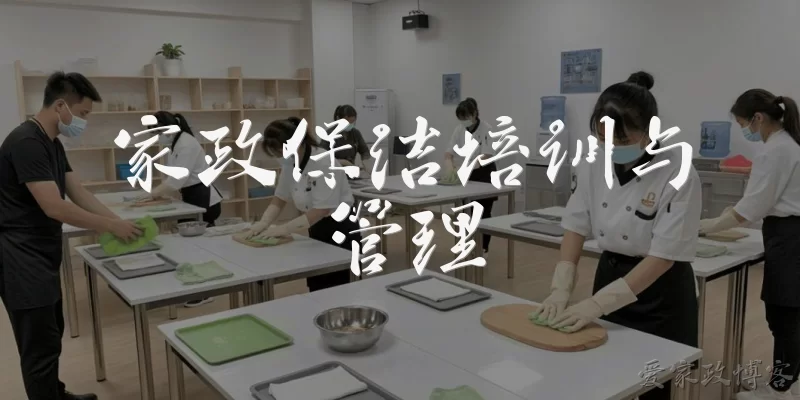
A: An effective housekeeping training program should cover several core areas. First, cleaning techniques for different surfaces and materials, including proper use of chemicals and tools. Second, safety protocols, such as handling hazardous substances and preventing slips, trips, and falls. Third, time management and scheduling to ensure efficient room cleaning. Fourth, customer service skills, as housekeepers often interact with guests. Fifth, standard operating procedures for bed making, bathroom sanitization, and waste disposal. Finally, training should include emergency procedures and reporting maintenance issues. A well-structured program combines classroom instruction with hands-on practice and periodic refreshers. Monitoring performance through checklists and feedback helps maintain consistency. Without these components, training may be incomplete, leading to poor service quality and safety risks.
Q: How can management improve housekeeping staff productivity?
A: Management can boost housekeeping productivity by setting clear standards and providing regular training. Use time-saving tools like mobile apps for room status updates and digital checklists. Implement zone cleaning to reduce walking distance. Offer incentives for meeting targets, such as bonuses or recognition. Schedule deep cleaning during low occupancy periods. Ensure equipment is well-maintained to avoid downtime. Conduct brief daily stand-up meetings to address issues. Empower staff to report problems quickly. Avoid overloading one person; distribute tasks fairly. Track metrics like rooms per hour and guest satisfaction scores. Provide ongoing feedback and coaching. A supportive management style, rather than micromanaging, often leads to higher morale and efficiency. Remember that productivity should never compromise quality or safety. Balance speed with thoroughness.
Q: What are the key differences between training and management in housekeeping?
A: Training focuses on developing specific skills and knowledge, such as how to clean a room, use equipment, or follow safety protocols. It is typically time-bound and delivered through workshops, demonstrations, or online modules. Management, in contrast, involves ongoing oversight, planning, organizing, and controlling housekeeping operations. Managers set schedules, allocate resources, evaluate performance, and handle guest complaints. Training aims to build competence; management aims to ensure that competence is applied consistently and efficiently. Training is often the responsibility of a supervisor or external trainer, while management is carried out by department heads. Both are complementary: without training, staff lack ability; without management, even trained staff may underperform due to poor coordination. Effective housekeeping requires a balance of both, with management reinforcing training through regular audits and feedback.
Q: How should housekeeping management handle performance issues?
A: When a housekeeping staff member underperforms, management should first investigate the cause. It could be lack of training, unclear expectations, personal problems, or equipment failure. Have a private conversation to understand the issue. Provide specific, behavior-based feedback rather than general criticism. If it's a skill gap, offer retraining or shadowing. If it's motivation, consider incentives or recognition. Set measurable improvement goals and a timeline. Document the discussion and follow up regularly. If performance doesn't improve, use progressive discipline per company policy. However, avoid public humiliation, which damages morale. Also, review your own management practices: are schedules fair? Are supplies adequate? Sometimes the problem is systemic. A fair, supportive approach often resolves issues before they require formal action. Consistency and empathy are key.
Dialogue about
Common scenarios of "Housekeeping Training and Management"
【Trainer】 Good morning, everyone. Welcome to the housekeeping training session. Today, we'll focus on efficient cleaning techniques and time management.
【Trainee】 Good morning. I'm excited to learn. I've been struggling with keeping up with the room quota.
【Trainer】 That's a common challenge. The key is to develop a systematic approach. Start with making the bed, then move to dusting, and finish with vacuuming.
【Trainee】 I see. So it's about having a routine. How do you handle unexpected messes, like spills?
【Trainer】 Good question. Always carry a stain remover and microfiber cloth. Address spills immediately to prevent setting.
【Trainee】 What about safety? I've heard about chemical hazards.
【Trainer】 Absolutely. Always wear gloves and ensure proper ventilation. Never mix bleach and ammonia. We'll cover a full safety module later.
【Trainee】 Okay. Also, how do we prioritize tasks when we're behind schedule?
【Trainer】 Focus on guest-facing areas first: bathroom, bed, and trash. Then do detailed dusting if time permits.
【Trainee】 That makes sense. What about communication with the front desk?
【Trainer】 Use the radio or app to report room status. If a room is ready, mark it as clean; if there's damage, report immediately.
【Trainee】 Got it. I also want to know about team management. How do you motivate a team?
【Trainer】 Recognition goes a long way. Acknowledge good work publicly. Also, provide regular feedback and opportunities for growth.
【Trainee】 What about dealing with underperformers?
【Trainer】 First, identify the cause. Offer additional training. If it's a personal issue, show empathy but hold them accountable.
【Trainee】 I'll keep that in mind. How often should we conduct inspections?
【Trainer】 Daily spot checks and weekly deep inspections. Use a checklist to ensure consistency.
【Trainee】 Thanks. I feel more prepared now. Any final tips?
【Trainer】 Always remember: cleanliness is non-negotiable, but so is your safety. Work smart, not just hard.
【Trainee】 I appreciate all the advice. I'm ready to apply these strategies.