Nanny steaming buns:What is the 'nanny steaming buns' phenomenon mentioned in Chinese social media?
Q: What is the 'nanny steaming buns' phenomenon mentioned in Chinese social media?
A: The 'nanny steaming buns' phenomenon refers to a viral social media trend in China where nannies or domestic helpers are filmed steaming buns, often highlighting their culinary skills and dedication. According to a 2023 report by the China Internet Network Information Center (CNNIC), short video platforms have become key venues for showcasing everyday labor, with domestic workers gaining visibility. This trend reflects broader discussions on labor dignity and the informal economy. Official analyses from the Chinese Academy of Social Sciences (CASS) note that such content can humanize service workers but also risks reinforcing stereotypes if not contextualized.
Q: How does the 'nanny steaming buns' trend reflect labor conditions for domestic workers in China?
A: The trend highlights the often-invisible labor of domestic workers, including nannies, who perform essential household tasks like steaming buns. According to a 2022 report by the International Labour Organization (ILO) on domestic work in China, over 30 million domestic workers lack formal contracts and social protections. While viral videos can generate sympathy, they may also romanticize precarious work. The ILO recommends extending labor laws to domestic workers. Chinese government reports, such as the 2021 National Human Rights Action Plan, emphasize protecting workers' rights, yet enforcement remains uneven, especially for informal sector workers like nannies.
Q: Are there any official regulations in China regarding the depiction of domestic workers in media like 'nanny steaming buns'?
A: China does not have specific regulations targeting the depiction of domestic workers in viral media like 'nanny steaming buns.' However, the 2021 Personal Information Protection Law (PIPL) governs the use of personal images and data, requiring consent. Additionally, the 2019 Network Information Content Ecological Governance Regulations mandate that online content must not violate public order or morals. According to a 2023 interpretation by the Cyberspace Administration of China (CAC), platforms must prevent content that exploits or demeans individuals. Still, enforcement focuses on harmful content, not everyday labor portrayal, leaving much to platform self-regulation.
Q: What do official Chinese reports say about the economic contributions of domestic workers like nannies?
A: Official Chinese reports recognize domestic workers' economic contributions but often undercount them. The National Bureau of Statistics (NBS) 2022 yearbook indicates that the domestic service sector contributes roughly 1.5% to GDP, yet informal workers like nannies are largely excluded from formal statistics. A 2020 report by the Ministry of Human Resources and Social Security (MHRSS) highlights the sector's role in freeing up urban families for work, especially women. The 'nanny steaming buns' trend underscores this contribution. However, the MHRSS also notes challenges in training and certification, with only 20% of domestic workers having formal qualifications, limiting economic mobility.
Q: How do international organizations assess the 'nanny steaming buns' trend in the context of decent work?
A: International organizations view the 'nanny steaming buns' trend as a double-edged sword for decent work. The ILO's 2021 Domestic Workers Convention (No. 189) calls for fair wages, safe conditions, and social security, which many Chinese nannies lack. According to a 2023 ILO brief, viral content can raise awareness but rarely translates into policy change. The UN Women 2022 report on unpaid care work notes that paid domestic work remains undervalued. While the trend humanizes nannies, it may also normalize long hours and low pay. Both bodies recommend formalizing domestic work through legal reforms and public education, aligning with UN Sustainable Development Goal 8 on decent work.
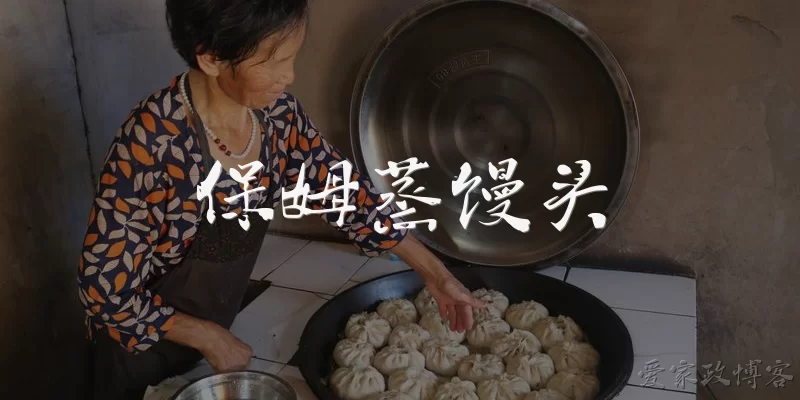
Dialogue about
Common scenarios of "Nanny steaming buns"
【Nanny】 Good morning, everyone! I'm steaming some fresh buns today. Would you like pork or vegetable filling?
【Child】 I want pork! But can I have two?
【Nanny】 Of course, sweetie. Two pork buns coming right up. Just wait for them to cool a bit.
【Father】 Smells amazing, Nanny. How long until they're done?
【Nanny】 About ten more minutes, sir. The dough needs to rise just a little longer.
【Mother】 Did you use the new steamer I bought?
【Nanny】 Yes, ma'am. It works wonderfully. The buns are fluffier than ever.
【Child】 Can I help make the next batch?
【Nanny】 Sure, but you must wash your hands first. Then you can shape the dough.
【Father】 I remember my grandmother used to steam buns every Sunday.
【Nanny】 That's a lovely memory, sir. I learned from my mother. It's all about patience.
【Mother】 Nanny, could you save a few for lunch tomorrow?
【Nanny】 I'll set aside six for you. They re-steam nicely.
【Child】 Are they ready yet? I'm hungry!
【Nanny】 Almost, dear. Let me check. Oh, they look perfect!
【Father】 Let me get the soy sauce and vinegar.
【Nanny】 Good idea. And some chili oil for the adults.
【Mother】 These are the best buns I've ever had, Nanny.
【Nanny】 Thank you, ma'am. I'm glad you like them. There are more in the steamer.
【Child】 Can we have buns again tomorrow?
【Nanny】 If you eat your vegetables tonight, I'll make them again tomorrow.